
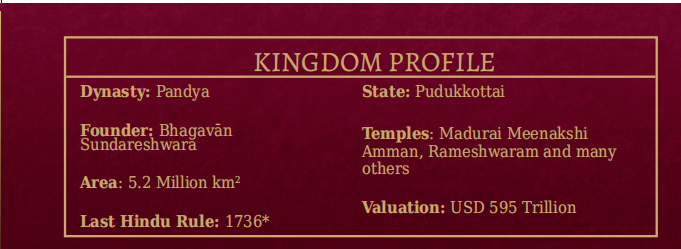
KAILASONNATA SHYAMALAPEETHA SARVAJNAPEETHA
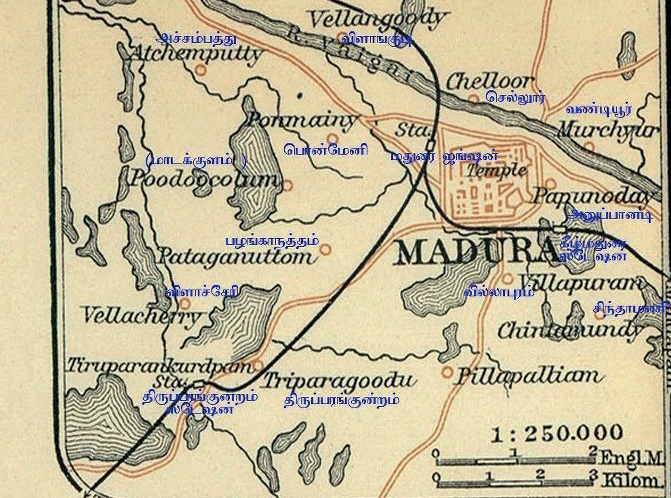
ANCIENT ENLIGHTENED SANĀTANA HINDU CIVILIZATION
• Political temporal rule (known as Porulatchi in Tamil) could not be separate from the spiritual rule (known as Arasatchi).
• Pandya Dynasty existed from the 3rd – 4th centuries BCE to the 13th -14th centuries as a Hindu Sovereign State.
• Hindu Sovereign State (Pandya Dynasty) was ruled by the Hindu Sovereign Papal State (Shyamalapeetha Sarvajnapeetha)
• The unbroken succession of the Shyamalapeetha Sarvajnapeetha was revived by Śri Tirujnanasambandar, the great incarnation of Paramaśiva who healed the Pandyan King Goon Pandyan.
• Throughout history, kings maintained a reverential guru-disciple relationship with the Supreme Pontiffs.
• Through a line of succession, THE SPH NITHYĀNANDA PARAMASHIVAM is the 293rd Sovereign Supreme Pontiff today
RECOGNIZED AS THE HEAD OF STATE
• The appointment of the GuruMahaSannidhanam is referred to as “Pandya Niyamana Murai” or the “Pandya Coronation Procedure.”
• All successors are crowned with a ruling staff and a crown and given the right to conduct all administration “Sakala Nirvagankalyum Vagikkirathu.”
• The British Government in India recognized the Shyamalapeetha Sarvajnapeetha as a State and the Guru Maha Sannidhanam as the Head of State.
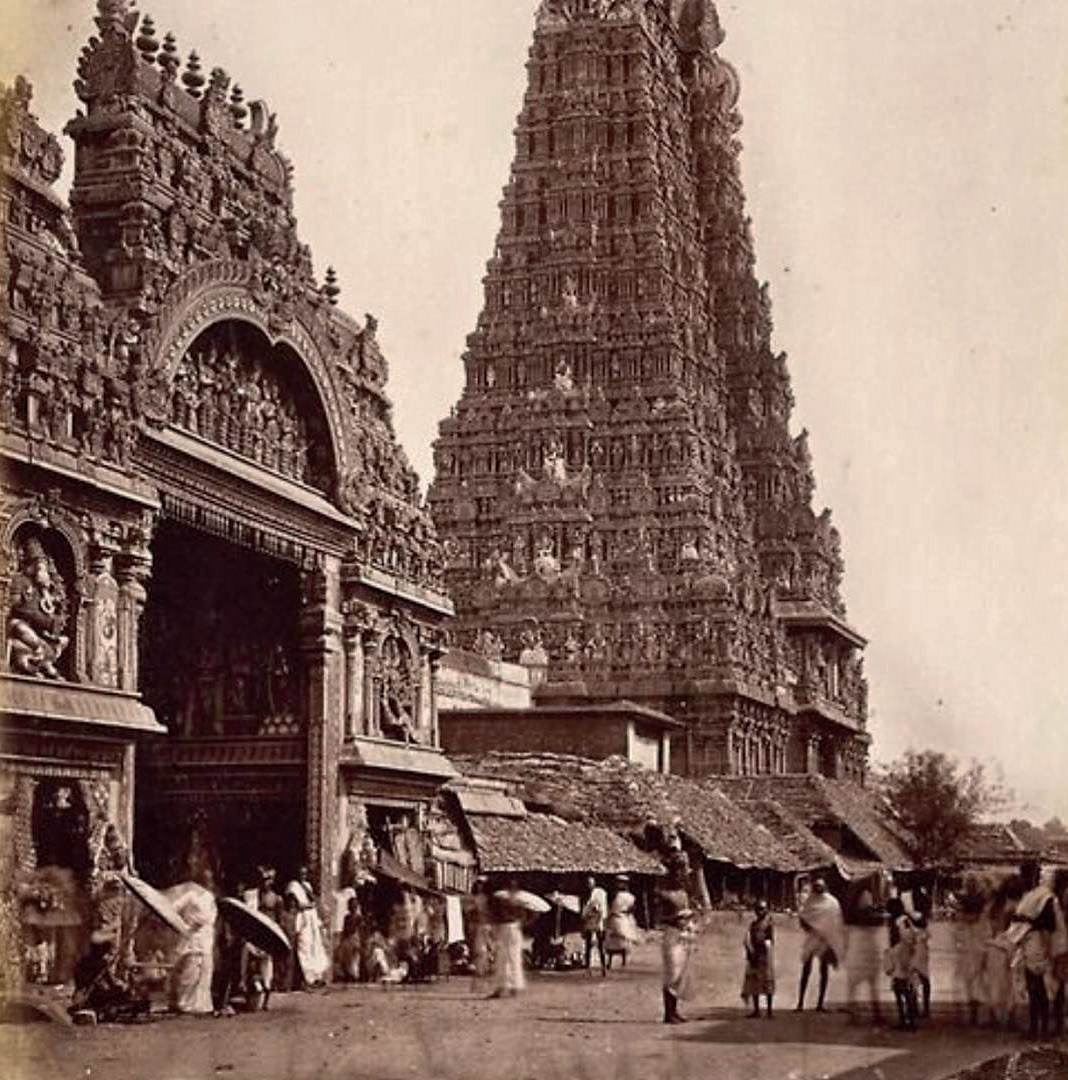
REGENCY ACT
• The British Empire respected the Pontiff of Madurai Adheenam as the reigning monarch of the Pandya Kingdom.”
• A regent is a person appointed to govern a state because the monarch is a minor, absent, or incapacitated.
• When the 289th Pontiff of Madurai Adheenam left his body in 1904, his successor was only 11 years old.
• In 1904, the British invoked the Regency Act to take the 11-year-old pontiff under their protection. Then, in 1905, when the child turned 12 and became a major as per the British rule his coronation was performed by the district Judge of the Government, and the Kingdom of Madurai was handed back to the Pontiff.

Functional immunity of the head of state
The Code of Civil Procedure Under Section 641 of the Code of Civil Procedure: “The Saiva High Governor-in-Council is pleased to exempt Saiva Samayachariar Tirugnanasambanda Pandara Sannadhi Avergal, the Saiva High Priest of Madura from personal appearance in the Courts of the Presidency.”This shows that heads of the Shyamalapeetha Sarvajnapeetha are also recognized as the heads of the State and is not subject to prosecution, or appearance in front of a court.
Honored as the Head of State
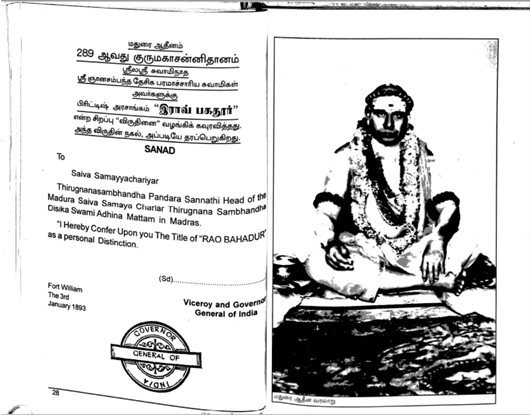
Rao Bahadur
The British conferred the title “Rao Bahadur” to rulers of kingdoms. It was given to the 289th Pontiff of the Shyamalapeetha Sarvajnapeetha,recognizing the status of Guru Maha Sannidhanams as the rulers of the Kingdom of Madurai by the British.


Protection for the head of state when traveling
The British also accorded the head of Shyamalapeetha Sarvajnapeetha protection equivalent to a Head of State while traveling to other states and back. An example is the 1827 ruling by Magistrate R. Peter when the Guru MahaSannidhanam was assured protection while traveling from Salem to Coimbatore.
Soverignity
Soverignity
Despite the colonial government’s exploitative strategies, under their rule, some Hindu kingdoms and monasteries, like the Madurai Aadheenam, maintained their sovereignty and the Gurumahasannidhanams were recognized as independent Heads of State. There are many examples showcasing this recognition.
Treatment as the Reigning Monarch
The Regency Acts are Acts of the Parliament of the United Kingdom passed at various times to provide a regent, appointed to govern the state, in the event of the reigning monarch being incapacitated or a minor. When 289th Pontiff of Madurai Adheenam left his body in 1904, his son and successor was only 11 years old. Under the colonial government, the British invoked the Regency Act, used for kings, to take the young Pontiff under their protection. Under the British Empire, the age when a child becomes a major was 12. In 1905, when the child turned 12, his coronation was performed by the District Judge of the Government, and the Kingdom of Madurai was handed back to the Pontiff.
Immunity from Prosecution as the Head of State
Under many jurisdictions, Heads of State were granted “functional immunity,” protecting them from prosecution during their time in office.Under the British Government, such a recognition was given to the Guru Maha Sannidhanam of Madurai Aadheenam. According to the Judicial Department Proceedings of Madras Government, in the Order dated 15th September 1880, No. 2240, it states ,“Under Section 641 of the Code of Civil Procedure, the Governor-in-Council is pleased to exempt Saiva Samayachariar Tirugnana Sambanda Pandara Sannadhi Avergal, the Saiva High Priest of Madura from personal appearance in the Courts of the Presidency”. This is signed by G. Stokes for Chief Secretary.This shows that heads of the Madurai Aadheenam is also recognized as the heads of the State and is not subject to prosecution, or appearance in front of a court.
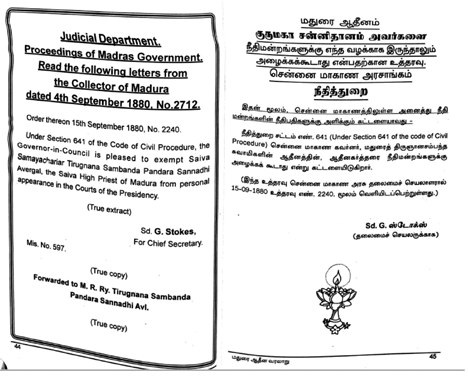
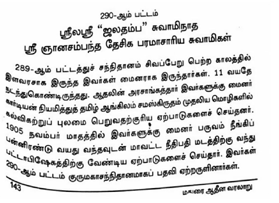
The extract from Madurai Aadheenam History, showing that the British Government applied the Regency Act to the 290th Guru Maha Sannidhaanam
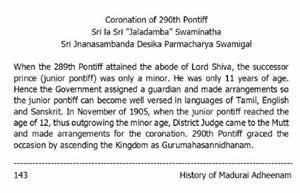
Honor as the Head of State
Rao Bahadur, abbreviated R.B., was a title of honor bestowed during British rule in India mainly to Head of States (Kings, Governor).Translated, Rao means “prince”, and Bahadur means “brave” or “most honorable.”The Rao Bahadur title, conferred to Rulers of the Kingdom, was given to the 289th Pontiff of the Madurai Aadheenam, recognizing the status of Guru Maha Sannidhanams as the rulers of the Kingdom of Madurai by the British.
Protection & Immunity as a Traveling Head of State
The British also accorded the head of Madurai Aadheenam protection equivalent to a Head of State while traveling to and returning from other states.An extract of a ruling in 1827 granted by R. Peter, the Magistrate. It states that while the head of Madurai Aadheenam travels to Salem and Coimbatore he is accorded complete protection.
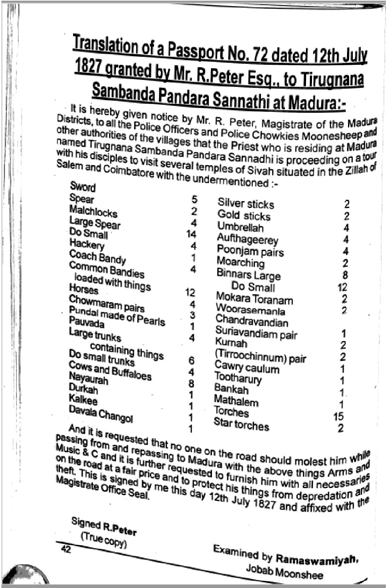
An extract of a ruling in 1827 granted by R. Peter, the Magistrate. It states that while the head of Madurai Aadheenam travels to Salem and Coimbatore he is accorded complete protection.